The Influence of Innovation on Performance in the Casting Foundry Sector
The Casting Foundry sector has actually experienced notable makeovers due to technical improvements. Automation and robotics have streamlined procedures, enhancing manufacturing rates while decreasing mistakes. In addition, real-time surveillance and information analytics are improving decision-making processes, resulting in a lot more effective resource administration. As these technologies continue to advance, they offer both obstacles and possibilities. Recognizing the full impact of these adjustments is crucial for sector stakeholders to adjust and prosper in an affordable landscape.
The Duty of Automation in Modern Foundries
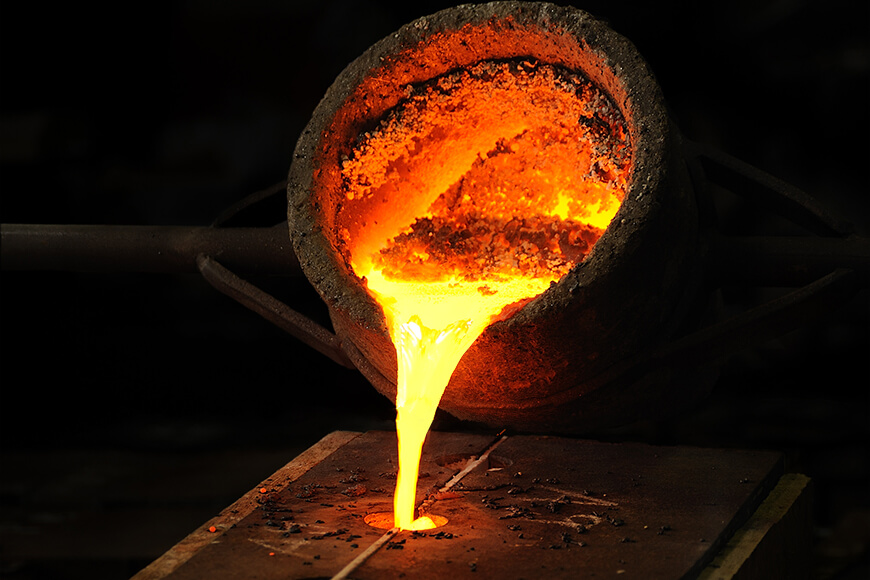
These systems help with tasks such as mold and mildew creation, putting, and cooling, permitting real-time surveillance and modifications to maximize performance. Additionally, automation allows factories to run constantly, increasing output and decreasing preparations.
The combination of automated options likewise supports much better resource management, as devices can be programmed to utilize products extra effectively, decreasing waste. By implementing automation, modern shops can adjust to changing demand, ensuring that they remain affordable in a quickly evolving sector. Inevitably, automation represents a transformative force, redefining typical Foundry techniques and leading the way for future advancements.
Enhancing Quality Assurance With Innovation
Technology revolutionizes quality assurance in factories, ensuring that items meet stringent market standards. Advanced examination systems, such as laser scanning and 3D imaging, allow precise dimension of cast parts, determining problems at the earliest phases. These tools promote real-time tracking of making processes, permitting instant adjustments and lessening discrepancies from top quality benchmarks.
Information analytics plays a necessary role in top quality control by evaluating patterns and anticipating possible failures, which improves the dependability of the manufacturing line. Carrying out equipment knowing formulas permits shops to continuously enhance their quality assurance processes by picking up from historic information
Additionally, the combination of electronic doubles makes it possible for virtual simulations of production processes, allowing for comprehensive testing and recognition prior to physical Casting happens. Jointly, these technical advancements not only raise the high quality of actors items however additionally strengthen customer fulfillment and depend on in the shop's result.
Lowering Waste and Power Intake
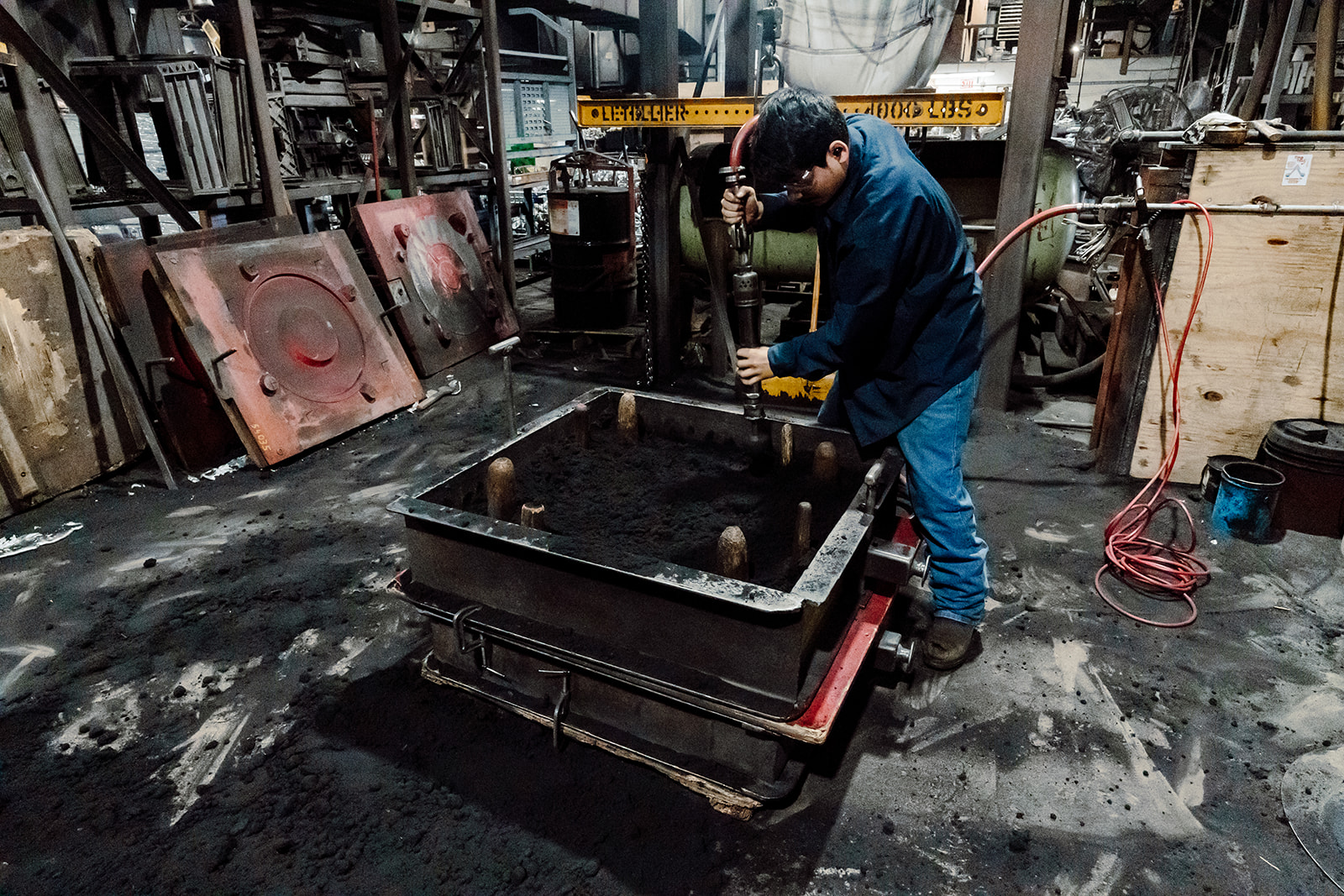
Additionally, the introduction of 3D printing innovation in mold and mildew creation significantly lowers material waste by enabling for the production of complex styles without the requirement for too much machining. Furthermore, energy-efficient devices and eco-friendly power sources are significantly being taken on, contributing to lower operational expenses and a smaller carbon impact.
These modern technologies not just boost operational performance but also advertise sustainable practices within the Casting Foundry industry, straightening with global efforts to improve and decrease ecological effects resource administration.
The Influence of Data Analytics on Decision Making
Data analytics has emerged as a vital tool for improving decision-making processes in casting foundries. By leveraging data collected from numerous phases of manufacturing, factories can identify inefficiencies and areas for improvement. Real-time monitoring of equipment efficiency enables managers to make enlightened decisions regarding upkeep timetables, minimizing downtime and optimizing result.
Predictive analytics aids forecast need patterns, making it possible for factories to change manufacturing levels as necessary and reduce excess supply. This ability not just enhances operations yet also help in resource allowance, guaranteeing that products are utilized successfully.
Data-driven insights empower management to review the effectiveness of different alloys and products, leading to boosted product high quality. As shops increasingly adopt information analytics, the integration of these insights into calculated decision-making processes leads the way for boosted functional efficiency and competitive advantage in the market.
Incorporating Robotics Into the Molding Refine
The assimilation of robotics into the molding process provides substantial advantages for casting foundries. By automating tasks, these systems can minimize human mistake and boost manufacturing rate, bring about a lot more reliable procedures. As modern technology developments, the possibility for robotics to transform conventional molding methods ends up being significantly noticeable.
Benefits of Robot Automation
Robot automation offers significant advantages in the molding process of casting foundries, enhancing both efficiency and precision. By utilizing robotic systems, foundries can achieve higher manufacturing prices as a result of the regular rate and integrity of equipments. These robotics can do repeated tasks with minimal downtime, which takes full advantage of and improves operations result. In addition, the assimilation of robotics permits higher versatility in production, enabling shops to swiftly adjust to differing demands and complex layouts. In addition, robotic automation contributes to boosted office security by decreasing the need for human treatment in dangerous environments. Eventually, the incorporation of robotics in the molding procedure view it now results in maximized process, reduced functional expenses, and enhanced item top quality in the Casting Foundry market.
Reducing Human Mistake
Human skill and instinct have generally played essential functions in the molding process, integrating robotics substantially reduces the danger of human mistake. Robotics offers precision and uniformity, making certain that each mold and mildew is created with exact specifications, reducing variability brought on by fatigue or diversion amongst human operators. With sophisticated sensing units and software, robotic systems can find abnormalities and make real-time adjustments, even more decreasing the possibility of issues. The automation of repetitive tasks enables human employees to concentrate on even more facility responsibilities, improving total top quality control. Furthermore, the implementation of robotics assists in a much more organized approach, resulting in standardization across production processes, which is crucial for preserving high-grade outputs in the Casting Foundry industry.
Enhancing Production Speed
Integrating robotics right into the molding procedure not just minimizes human error but likewise substantially enhances manufacturing speed within casting foundries. By automating recurring tasks, robotics can operate continually, permitting greater outcome rates compared to traditional methods. Their precision guarantees that mold and mildews are continually loaded, lessening downtime triggered by flaws or adjustments. In addition, robotics make it possible for fast changes in assembly line, fitting various layouts without substantial delays. Because of this, foundries can respond more promptly to market demands, increasing their affordable side. Furthermore, the assimilation of innovative robotics modern technologies enhances the workflow, maximizing resource allowance and reducing labor prices. Overall, the fostering of robotics in molding processes substantially drives effectiveness and efficiency in the Casting Foundry sector.
Conquering Difficulties in Innovation Fostering
Future Trends in Casting Foundry Innovation
What innovations lie ahead for the Casting Foundry market? The future of casting Foundry technology is poised for considerable improvement via improvements such as 3D printing, automation, and synthetic intelligence. These developments guarantee to improve precision and decrease waste in the Casting procedure. 3D printing enables the manufacturing of intricate geometries that standard techniques can not achieve, while automation simplifies operations, boosting total performance. In addition, the combination of AI and artificial intelligence will certainly promote predictive maintenance, optimizing devices efficiency and reducing downtime.
The pattern more information towards sustainable practices is anticipated to shape the market, with an emphasis on environment-friendly products and procedures. Digital doubles, which simulate real-world procedures, might also become commonplace, permitting foundries to examine situations and make data-driven decisions. Collectively, these improvements are established to redefine the Casting Foundry landscape, driving performance and sustainability while meeting the developing needs of numerous industries.
Often Asked Questions
How Does Modern Technology Influence Employee Duty in Foundries?
Innovation considerably reshapes employee roles in foundries by automating repeated tasks, boosting accuracy, and necessitating new capability. Employees increasingly concentrate on looking after advanced machinery and data evaluation, leading to a change in task duties and called for expertises.
What Are the Expenses Connected With Executing New Technologies?
The expenses of implementing brand-new technologies encompass preliminary investments, training costs, ongoing upkeep, and potential disruptions during transition. Organizations must very carefully review these monetary aspects to assure effective combination and sustainable lasting advantages.
Just How Can Little Factories Adopt Technology Affordably?
To adopt technology cost effectively, little factories can check out gives, partnerships, and low-priced remedies. Incremental news upgrades, worker training, and leveraging existing resources also boost efficiency without considerable economic pressure, promoting gradual technical combination into operations.
What Skills Are Required for Workers in Tech-Driven Foundries?
Workers in tech-driven shops require abilities in data evaluation, equipment operation, and software effectiveness. Additionally, versatility to new devices and innovations, analytical capabilities, and collaboration with design groups are vital for success in this developing environment.
Just How Does Innovation Impact Security in Foundries?
Modern technology significantly enhances security in factories by automating unsafe tasks, utilizing sophisticated monitoring systems, and promoting real-time interaction. These advancements lower work environment mishaps and boost emergency action, ultimately promoting a more secure environment for all employees.
Technology transforms top quality control in factories, making certain that items satisfy strict market criteria. Technologies such as automated molding systems and advanced melting modern technologies enable foundries to optimize material usage and minimize energy requirements. As the Foundry industry progressively recognizes the advantages of emerging innovations, getting rid of difficulties in modern technology adoption ends up being important for boosting functional effectiveness. Innovation considerably reshapes employee duties in foundries by automating recurring tasks, boosting accuracy, and demanding brand-new ability sets. Modern technology significantly boosts security in foundries by automating harmful tasks, using sophisticated monitoring systems, and promoting real-time interaction.